
Proposed Marine Protected Area
A proposal for a marine park over South Beach’s nearshore reef — from the South Pointe jetty to Neon Reef through 12th Street. Protecting it means safer water for shore visitors, more public space for a space-constrained island, and real conservation for the reef itself.
Why it matters
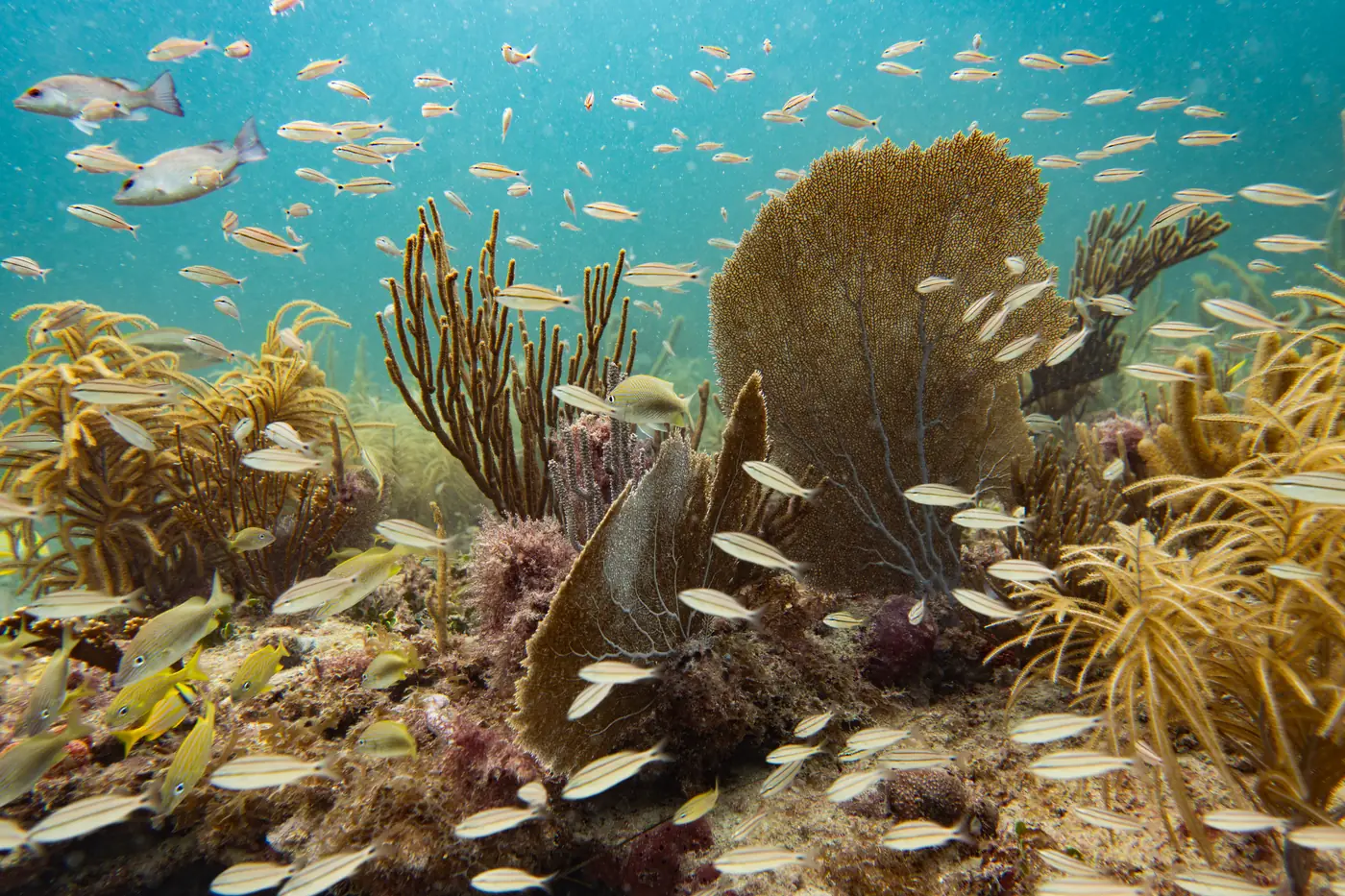
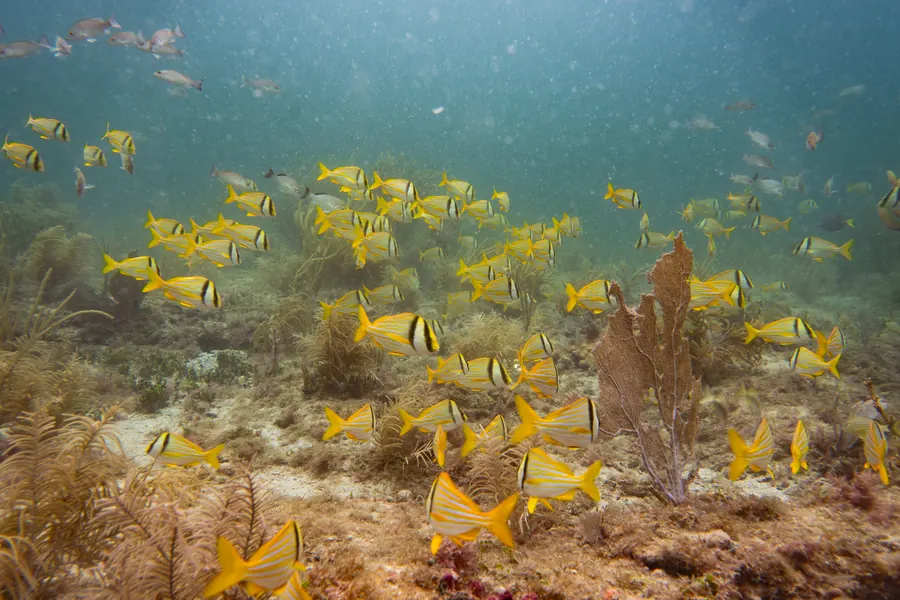
The nearshore ridge off South Beach is rare for a major city: a living reef close enough to swim to from the beach. Snorkelers, free-divers, scuba divers, paddlers, and boarders all share this shallow water with parrotfish, sergeant majors, nurse sharks, and the slow work of coral building reef. Let’s protect them all.
The boundary
Two maps: what is already in the water off South Beach, and one hypothetical look at how a marine park could be drawn around it.
Natural reef, artificial habitat, the jetty and pier, and the existing lifeguard zone — everything that is in the water right now.

This is one hypothetical concept, developed with members of the local beach community, to give the conversation something concrete to react to. The City of Miami Beach is the formal stakeholder in this process and will ultimately decide what protections and amenities to pursue, and what to apply for with state entities.

Why create the park
It makes the water safer for everyone in it, opens the reef up for learning and recreation, and turns a healthy ecosystem into a lasting asset for Miami Beach.
Additional safety measures — clearer markings, better information, and a more predictable stretch of water — would make it safer to swim, snorkel, dive, and paddle from the beach. Good design benefits everyone using the water, including boaters.
See the safety considerations →No anchors dropping on living coral. Mooring buoys mean boaters can still access the reef without dropping anchor.
Miami Beach has almost no room left to grow. Embracing and respecting the nearshore reef adds public recreation space without taking an inch of land — snorkel trails, dive sites, paddling water, and guided programs for school groups and families, all minutes from the sand.
A protected, thriving reef draws snorkelers, divers, and eco-tour operators — quality tourism that supports local guides and businesses. Dive shops and charter operators benefit too: a healthier reef means more to see, more dive sites, and more reasons for visitors to book a trip.
See the economic impact →What the park protects
The proposed zone wraps a connected stretch of natural reef, artificial habitat, and public access, all within swimming distance of the shore.
Natural reef ridge
The larger of two natural reef areas inside the park, historically part of Florida's inner reef tract. Named for the electric color of the fish and coral along it, and for its place just off Ocean Drive beneath the signature neon glow of South Beach.
Art reef · In the water
An underwater public sculpture and artificial reef within the proposed park area. Coral is getting started growing here and fish have already moved in.
Artificial rock piles
Placed by Nova Southeastern University in the late 1990s, these largely forgotten artificial reefs are full of life.
South jetty
A beginner-friendly snorkel route along the south jetty, an easy first dive for families.
Fixed moorings
Permanent moorings let boats tie off and reach the park without dropping anchor on living coral.
Life on the reef
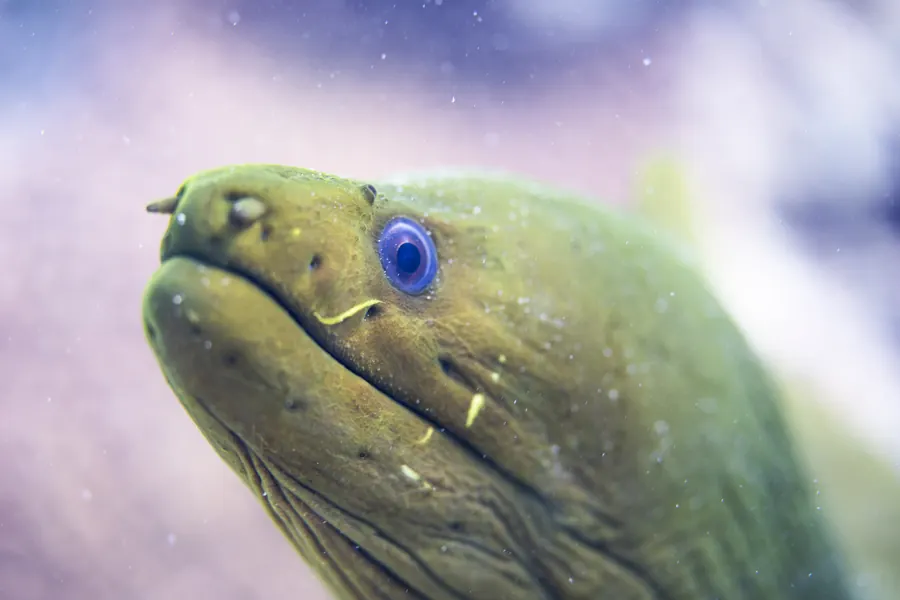
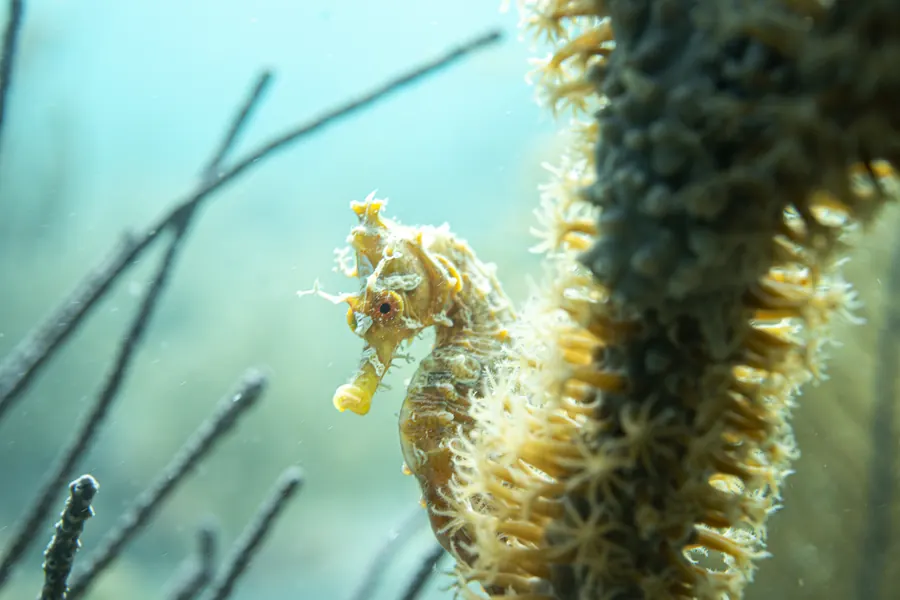
This stretch of nearshore reef is already full of life — turtles, rays, seahorses, angelfish, and coral building habitat just off the sand. Protection is what keeps it here. A few of the species our divers have documented:
The path to creation
A marine protected area in Florida waters is created through a real, public process. Here is the route, and where the effort stands today.
Urban Paradise Guild and residents logged boating incidents, groundings, anchor damage, and close calls with swimmers on the nearshore reef. That evidence helped move the City to act.
Divers, snorkelers, paddlers, and beachgoers are adding their names. A strong, visible petition shows the City and the State that this community wants the protection.
In a unanimous vote, the City Commission and Mayor approved funding to begin the application process.
With funding approved, the City of Miami Beach is preparing its application to the State of Florida. Several state agencies review a proposal like this, with public comment along the way. This is the active step now.
Approved boundaries are set, the markers are placed, and the rules become real and enforceable on the water.
The documentary
Neon Reef, a documentary by Alex Mitow, premiered at the Miami Film Festival and has screened at OUTshine. Watch the trailer, then dive deeper.
Add your name
Every signature is a line in the record that Miami Beach wants this water protected. Sign, then send it to one person who dives, swims, or paddles here.
Signing takes about thirty seconds on our petition page. Every name strengthens the application now moving to the State.
Sign the petition Donate to UPGOpens our petition at neonreefsouthbeach.good.do. Your name supports the application to the City of Miami Beach and the State.


